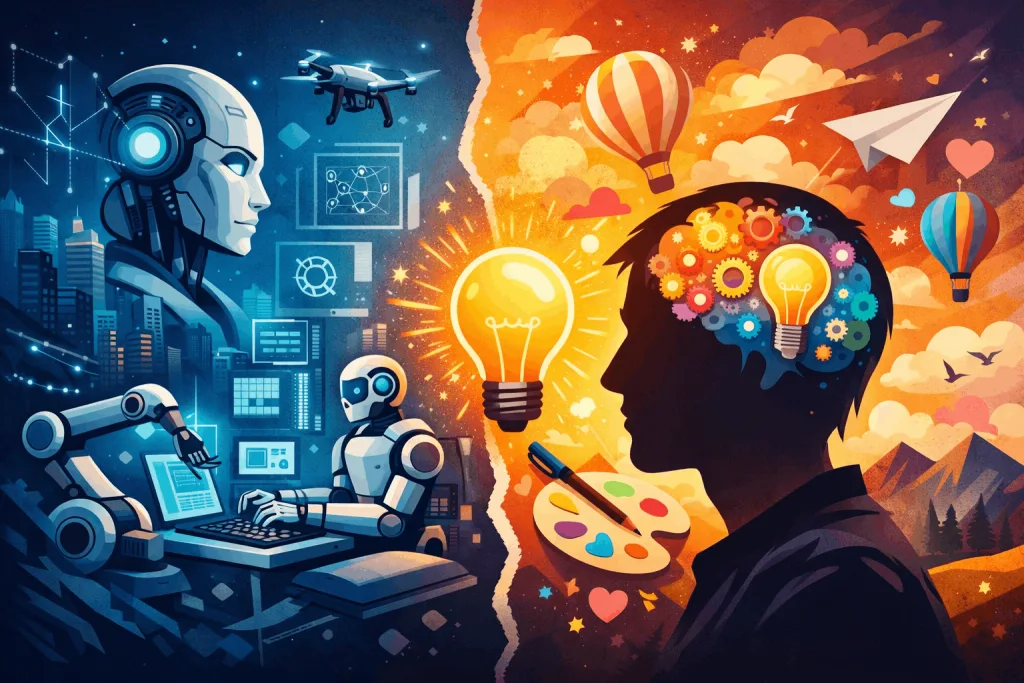
Deadlines stacking up faster than your team can clear them? You’re in good company. Across the industry, creative teams are being asked to produce more — more campaigns, more assets, more formats — with the same hours in the day and the same number of seats at the table. The answer isn’t grinding harder. It’s building smarter systems that let your team focus on what they do best.
The Reality of Modern Creative Operations
Creative teams today aren’t just making things — they’re managing complexity at scale. The numbers back this up: 77% of marketing teams report steady year-over-year growth in project volume, while nearly half say they’re struggling to keep up with the pace of content demand.
⚡ The Pressure Is Real
Consider a team running 15 campaigns simultaneously, each with its own assets, stakeholders, feedback rounds, and deadlines. Without the right infrastructure, what should be creative work quickly becomes coordination work.
- Turnaround times keep shrinking while expectations keep rising
- Consistency across output is harder to maintain at volume
- Resource strain leads to burnout before it leads to results
“The best way to predict the future is to invent it.” — Alan Kay
Why Throwing More People at the Problem Doesn’t Work
Headcount is an expensive fix with a short shelf life. Adding staff helps only when your underlying systems are sound — and for most teams, they aren’t. Disconnected tools, manual handoffs, and fragmented communication create friction that no amount of talent can fully absorb.
| Traditional Approach | Limitation | Modern Solution |
|---|---|---|
| Adding more staff | High costs, diminishing returns | Smarter tech integration |
| Rigid, static processes | Stifles creativity | Flexible, adaptive workflows |
💡 Pro Tip: Before hiring, audit your toolset. Disconnected platforms create invisible inefficiencies that new hires simply inherit.
Building a Tech Stack That Actually Works Together
The goal isn’t a bigger toolkit — it’s a connected one. Every platform your team uses should feed into the next, not create another handoff point.
⚡ Why Digital Asset Management (DAM) Is Non-Negotiable
A strong DAM system is the backbone of any scalable creative operation — the single source of truth for every file, version, and brand asset your team touches.
- AI-powered search and smart categorization
- Automatic version control and brand compliance checks
- Cloud access that keeps distributed teams in sync
Your designers live in Adobe, Figma, and similar tools. The gap between those creative environments and the broader production pipeline is where time disappears. Bridging it cleanly is one of the highest-leverage investments a creative ops team can make.
🔑 Key Takeaway: A well-integrated tech stack doesn’t just speed things up — it reduces cognitive load and gives your team the mental space to do better creative work.
Automation: The End of the Approval Bottleneck
Manual approval chains are one of the biggest drags on creative throughput. Work stalls in inboxes, feedback gets buried in email threads, and versions multiply. Workflow automation doesn’t replace judgment — it just makes sure the right work reaches the right person at the right time.
| Old Approval Style | The Problem | Automated Workflow |
|---|---|---|
| Manual routing | Delays and miscommunication | Dynamic, rules-based routing |
| Email feedback chains | Comments missed or lost | Centralized review platforms |
Parallel reviews, contextual annotations, and automatic escalation paths turn approval from a bottleneck into a checkpoint.
💡 Pro Tip: Review your approval process before automating it. Automating a broken process just makes the problems faster.
Scaling Without Burning Everything Down
Doubling your output doesn’t have to mean doubling your stress. But it does require being deliberate about where and how you grow.
⚡ Build in Phases, Not in Panic
Start by identifying where work reliably gets stuck — asset chaos, slow approvals, unclear ownership — and fix those first. Sustainable scale is built incrementally, not all at once.
“Success doesn’t come from what you do occasionally; it comes from what you do consistently.” — Marie Forleo
- Diagnose the single biggest recurring bottleneck first
- Simplify before you systematize
- Set clear KPIs so you can actually measure progress
People Make the Difference
No system runs itself. Technology enables scale, but your team drives it. The way you bring people along through change determines whether new tools get adopted or abandoned.
⚡ Involve People Early
The creative professionals using these tools daily have the clearest view of what’s broken and what would actually help. Loop them in from day one — their input shapes better decisions and their buy-in accelerates adoption.
- Build decision-making processes that include the people most affected
- Invest in training that’s ongoing, not just a one-time onboarding session
- Create feedback channels so issues surface before they become systemic
💡 Pro Tip: Find your early adopters and give them ownership. Peer champions are far more persuasive than top-down mandates.
🔑 Key Takeaway: Successful change isn’t just about better tools. It’s about people feeling genuinely invested in using them.
The Window for Getting Ahead Is Open — For Now
AI, predictive analytics, and intelligent automation are already reshaping how the best creative teams operate. The gap between teams that have adopted these capabilities and those that haven’t is widening quickly.
Start with an honest audit of your current tools and workflows. Map where the friction lives. Then close those gaps — methodically, not reactively.
The teams setting the pace tomorrow are making those moves today.